Children & Social Media-What You Need to Know
May 8, 2014
When Will Devices Replace Parents?
October 10, 2016
Article was originally featured on Medium.com
A bout six years I was asked to be on a panel that would be part of a town hall discussion on social media/technology and its effect on our children. On that panel were high school and middle school principals and members of the school board as well as local law enforcement, heavy hitter attorneys and me. I was the social media “expert.”
As the event was winding down, the floor or rather the auditorium, was opened up for questions. Hands fly up. The mic is passed to various parents and here come the questions.
How can I monitor what my kid is looking at on his phone?
Is there a way to track their activities on the computer?
Is Facebook bad?
What age is a good age for my child to have a phone?
The questions just kept coming and coming; and as they did, the majority of the answers were coming from me. I quickly realized two things. One) No one really knew the answers. Not the audience, not the panel and barely me and I was the expert… and two) We have to fix this.
After the event, as I was leaving, I couldn’t walk 5 feet without someone coming up to me and telling me a “tech/social media”story about their children. It was at that precise moment, that I became resolute to start ‘something’ from this incredible need and thirst for information.
It started with this blog post I wrote right after the event. I was trying to process what had just happened while it was all still fresh in my head:
Children, Parents and Social Media-The need for education
A month later in May of 2010, I followed up with this post:
Children and Facebook-15 links to Help Parents Learn
and then this one…
On Trust and Children in Social Networks
At this point, I don’t expect you to read them but I wanted to establish some context. I was and still am serious about trying to do something; and it truly bothered me that there was such a gap between what parents knew and what children know, when it came to communicating via digital. When I say digital I’m bundling social media, mobile devices and our computers all into one comms group for the sake of this discussion.”
After the blog posts, I decided I needed a website/resource and it would focus on kids, parents and “social media.” I wanted it to be a portal for fresh info on what was happening in the social media space. I called it The Social Parent. The below image was the first iteration.
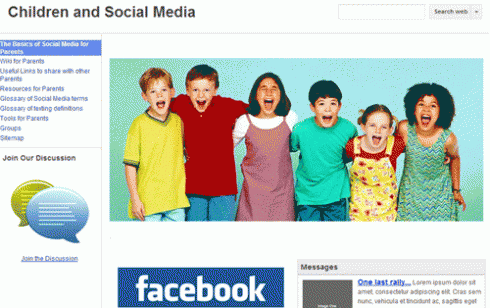
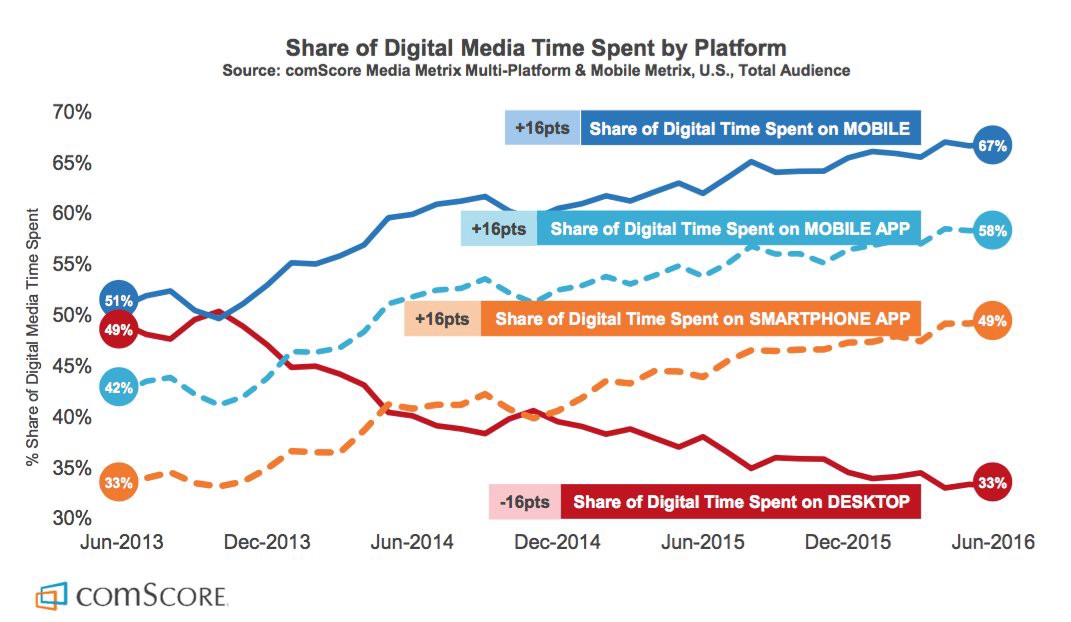
Since then, the website has changed but the problem and the issue, has not. If anything, it has gotten more complicated with the emergence of mobile. Check out these 2 slides. This is the new reality:
A) We’re spending a ton of time on our mobile devices.
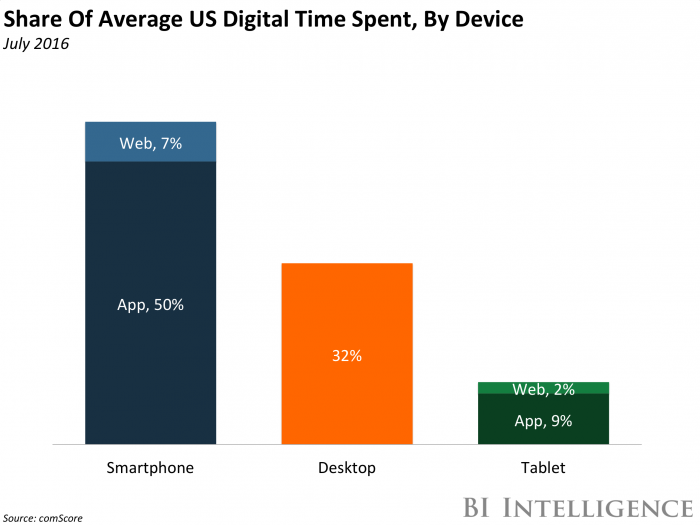
and B) Apps now take up half of all digital time spent.
So, flash to 3 years ago. A quick conversation about what I was trying to do with my good friend and colleague, Jason Breed. Jason listens for 5, maybe ten minutes and says, “I’m in.” Jason is the global social media project lead at IBM. He get’s it. Flash to 10 months ago and we decide to create this:
The Digital Futures Initiative
A site dedicated to helping parents, children and educators bridge the gap that digital has created between us. It’s not that this new digital world is bad, but we all have to have a baseline level of knowledge and understanding on what “that” world is all about. How to use it. What’s it mean. Where’s it going? How do we integrate and matriculate into that world?
We know that DFI is just the start. The goal right now, is to get the people that “get it,” to join us. We need people who can help us take this initiative to the next level and beyond. We need to get this into every school from K through 12. Globally. With a series of seminars, one on one’s, one to many and yes, online education, we aim to get us all, on the same page, pun intended.
Is it a bad idea? Is it a good idea? I’m sure someone out there probably thinks it’s a little of both. It doesn’t matter. We’re gonna do this. This will be our digital footprint of good. If you’re interested, hit me up.
- Marc Meyer, Founder of Digital Futures Initiative